.png)



Posted on
August 14, 2026
Inflatable Seals Design Guide: Profiles, Pressure and Gland Design
A practical inflatable seal design guide: profile types, axial vs radial expansion, inflation pressure, gland design and validation for reliable sealing.
Inflatable seals solve sealing problems that static seals cannot: large or variable gaps, delicate mating faces, high-cycle doors, and equipment that must move freely when open yet seal perfectly when closed. But that flexibility comes with more design variables than a simple O-ring. This guide walks through the decisions that make or break an inflatable seal design — profile, expansion direction, pressure, gland geometry and validation.
Start with how the seal must engage
The first question is the direction the seal needs to expand. Axial seals expand along their height to close a gap between two parallel faces — think of a lid pressing down onto a chamber rim. Radial-inward seals expand toward their centre to grip a shaft, plug or internal component. Getting this right early determines the profile family, the gland orientation and the way inflation pressure translates into contact force, so it should be settled before any dimension is drawn.
Choose the profile
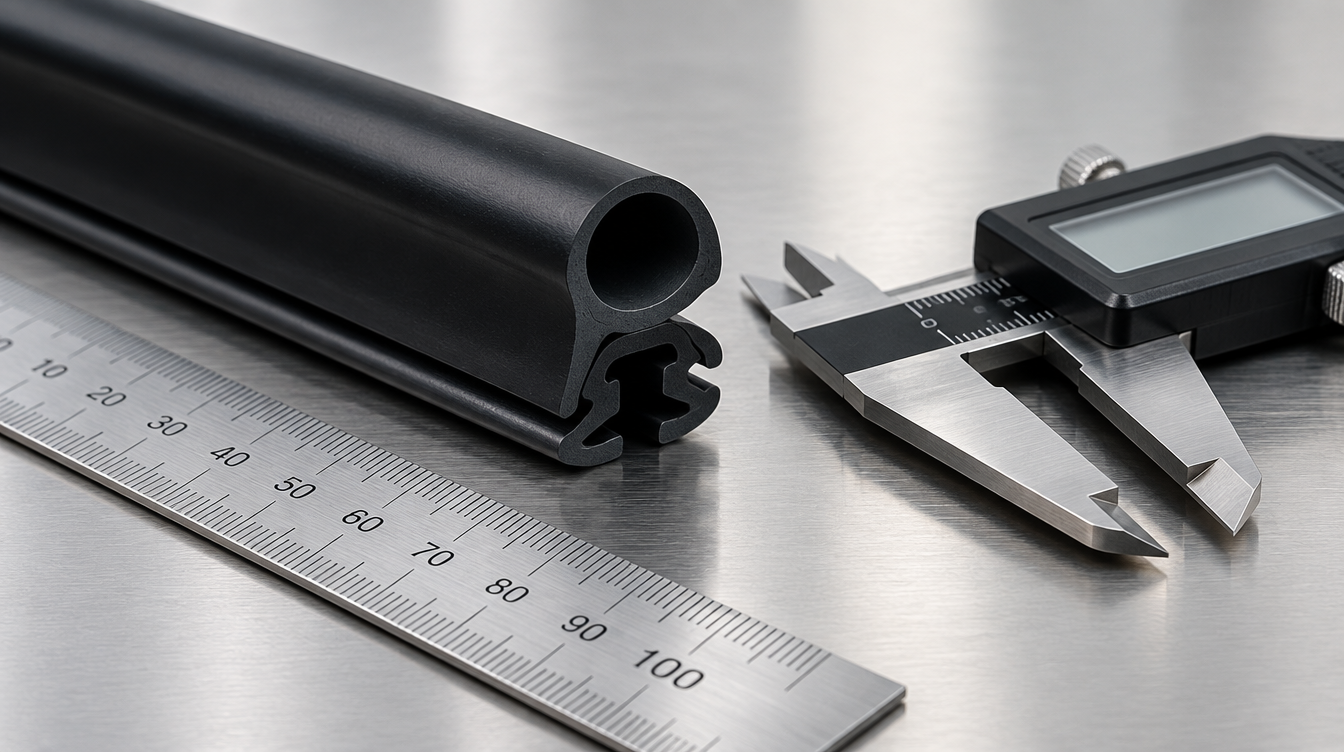
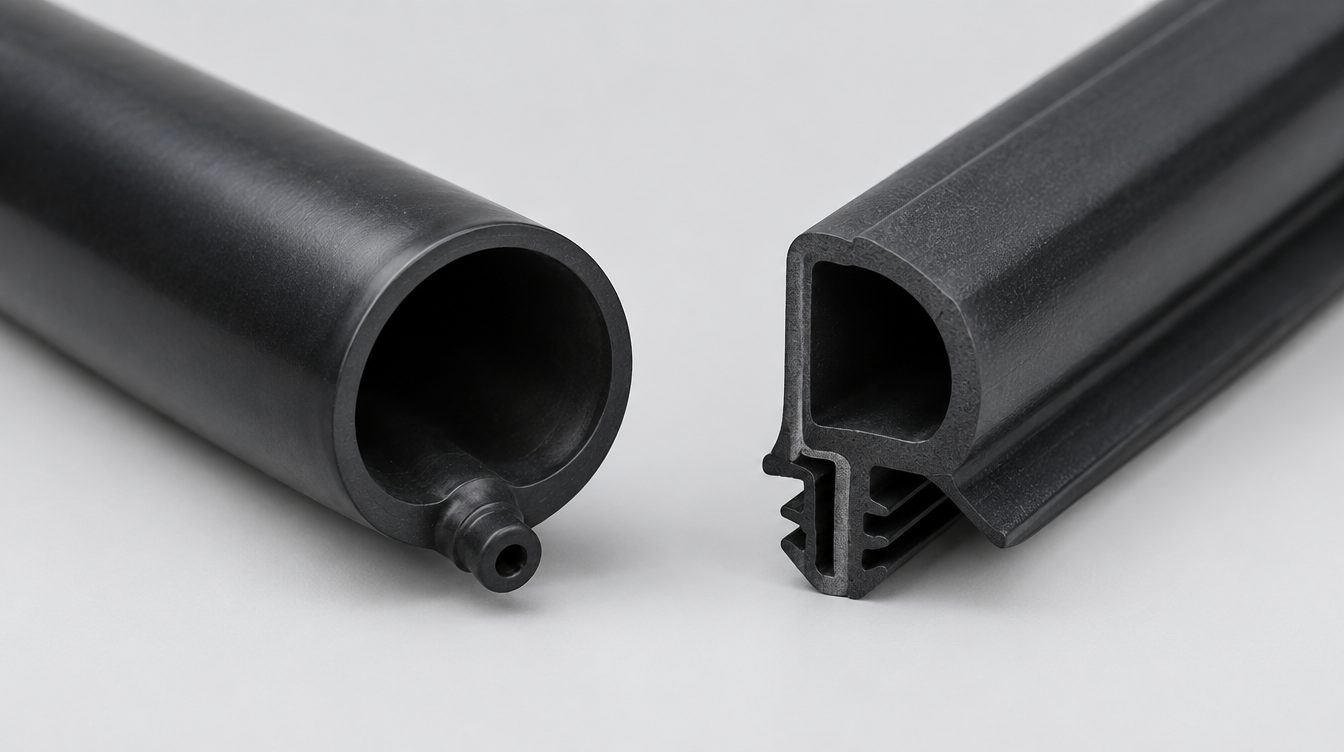
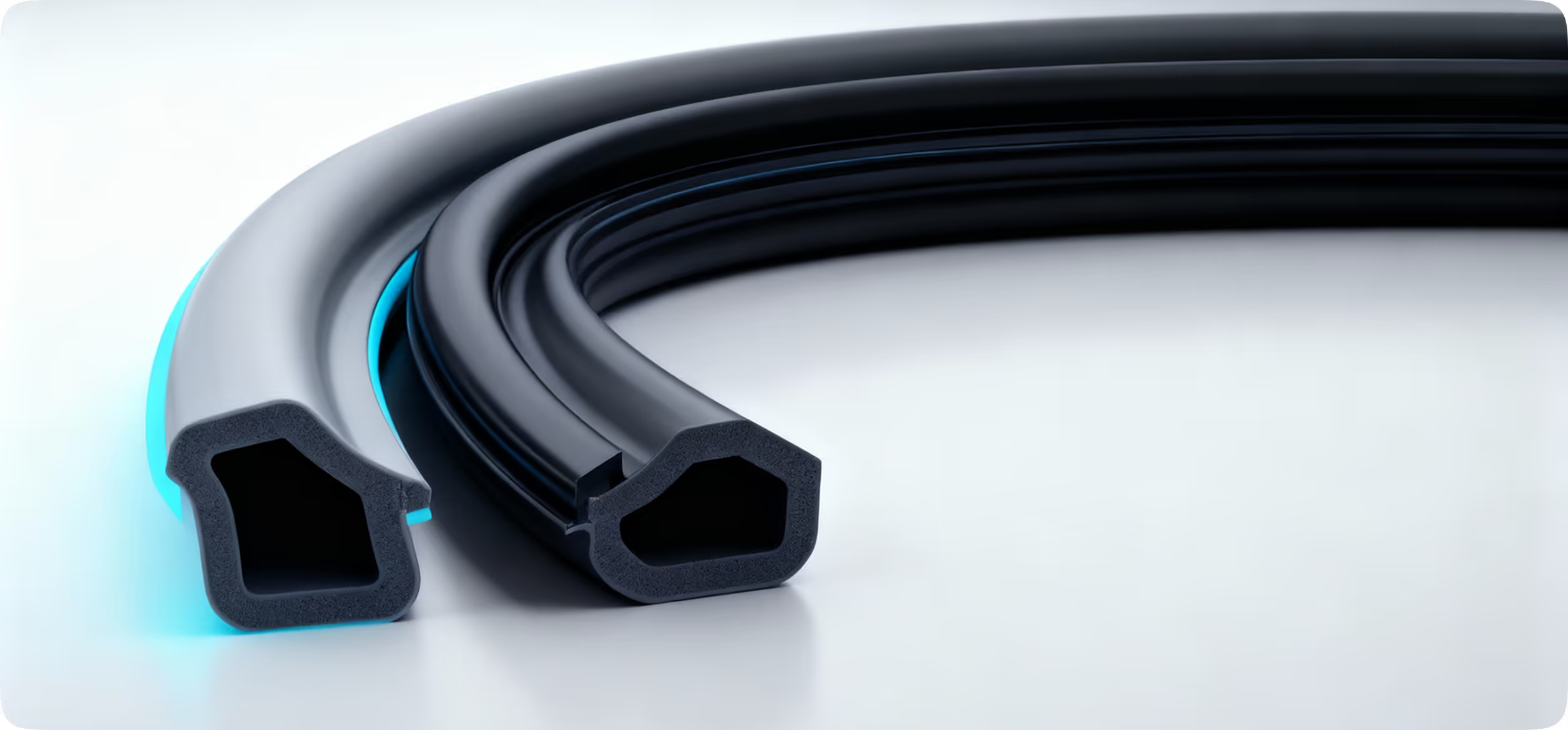
We offer a range of profiles, each suited to a mounting method and duty:
Profile geometry also sets the expansion ratio. Inflatable seals can expand by up to 100% of profile height, but the usable expansion in your application depends on gland restraint and whether the seal is reinforced. Size the profile so the working expansion sits comfortably inside its capability rather than at the limit.
Set the inflation pressure and media
Working pressure typically falls in the 0.5 to 6 bar range, with higher available on request. Higher pressure gives more contact force and bridges larger gaps, but it also raises wall stress and demands either reinforcement or a more robust profile. Decide the inflation medium too: clean compressed air is most common, but some applications use nitrogen, water or hydraulic fluid, and the medium affects material choice and fitting design. Always design to the burst safety factor — our seals carry a margin of at least three times working pressure — and confirm the supply can be controlled and, ideally, monitored.
Pressure is also where most avoidable failures originate. Over-inflation, unregulated supply and pressure applied before the door is fully closed account for a large share of the burst seals we are asked to investigate; we have written separately on the specific pressure mistakes worth designing out.
Inflation control, monitoring and safety
The seal is only half of an inflatable sealing system; the other half is the pneumatic circuit that drives it. A well-designed system regulates inflation pressure precisely, because both under- and over-inflation compromise sealing — too little pressure leaves gaps, too much stresses the wall and shortens life. Many critical applications add pressure monitoring so the control system can confirm the seal is inflated and holding before allowing a process to proceed, and can raise an alarm if pressure decays. Designing in a controlled, monitored supply — with appropriate filtration for the inflation medium — turns the seal's on-demand behaviour into a verifiable safety feature rather than an assumption.
Design the gland
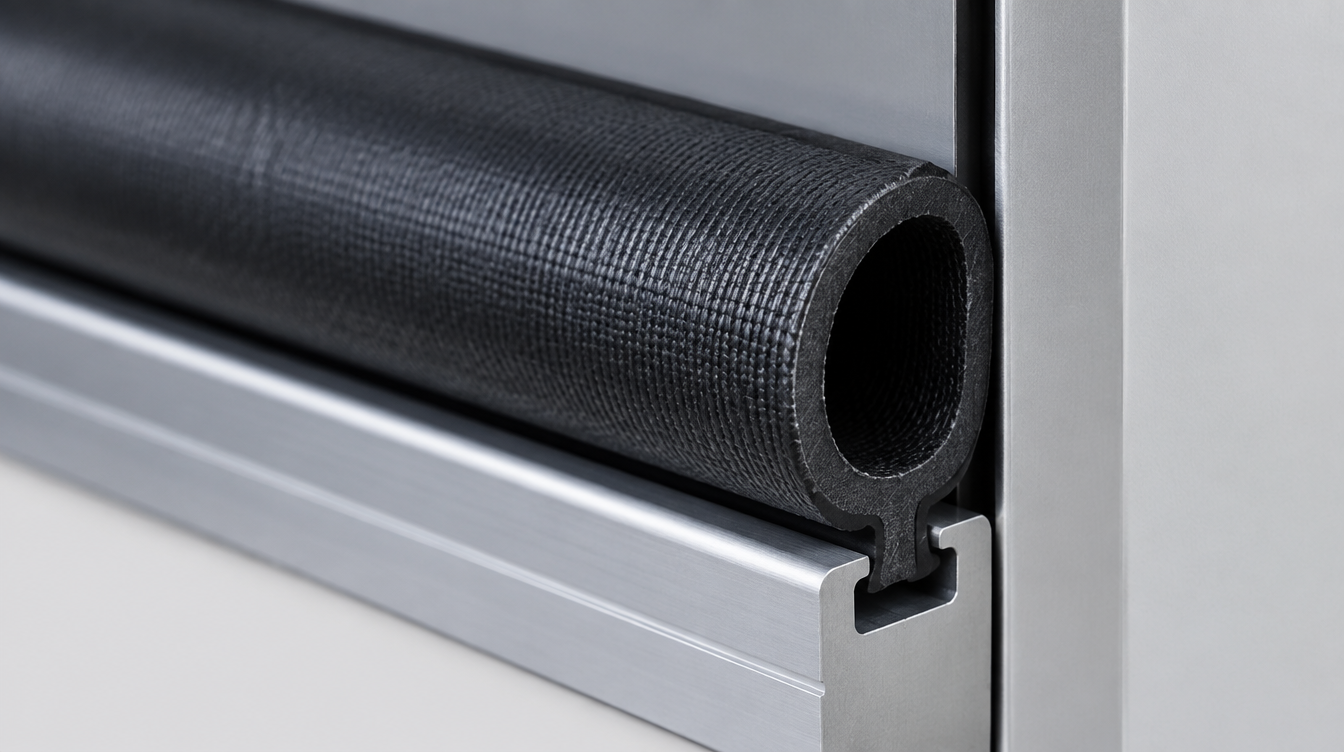
The gland is as important as the seal. It must restrain the non-sealing faces so inflation is channelled toward the sealing face, provide room for the seal to expand without pinching, and retain the seal against blow-out. Under-sizing the gland pinches the seal and shortens its life; over-sizing lets it balloon and lose contact geometry. For reinforced seals, the gland works with the internal fabric to direct expansion; for non-reinforced seals, it is the only thing controlling shape, so tolerances matter even more. Sharp corners in the gland are stress-raisers — generous radii extend seal life.
Match material to environment
Select the elastomer for the service conditions: EPDM for steam, water and weather; silicone for temperature extremes and high-purity duty; nitrile or neoprene for oils on request; and custom compounds where standard grades cannot meet the brief. Layer on compliance needs early — fire-retardant, REACH, RoHS or radiation-resistant grades change the compound and should not be an afterthought. Reinforcement fabric (nylon, polyester, Nomex® or Kevlar®) is selected in the same step, based on pressure, temperature and cycle life.
Plan for cycle life and validation
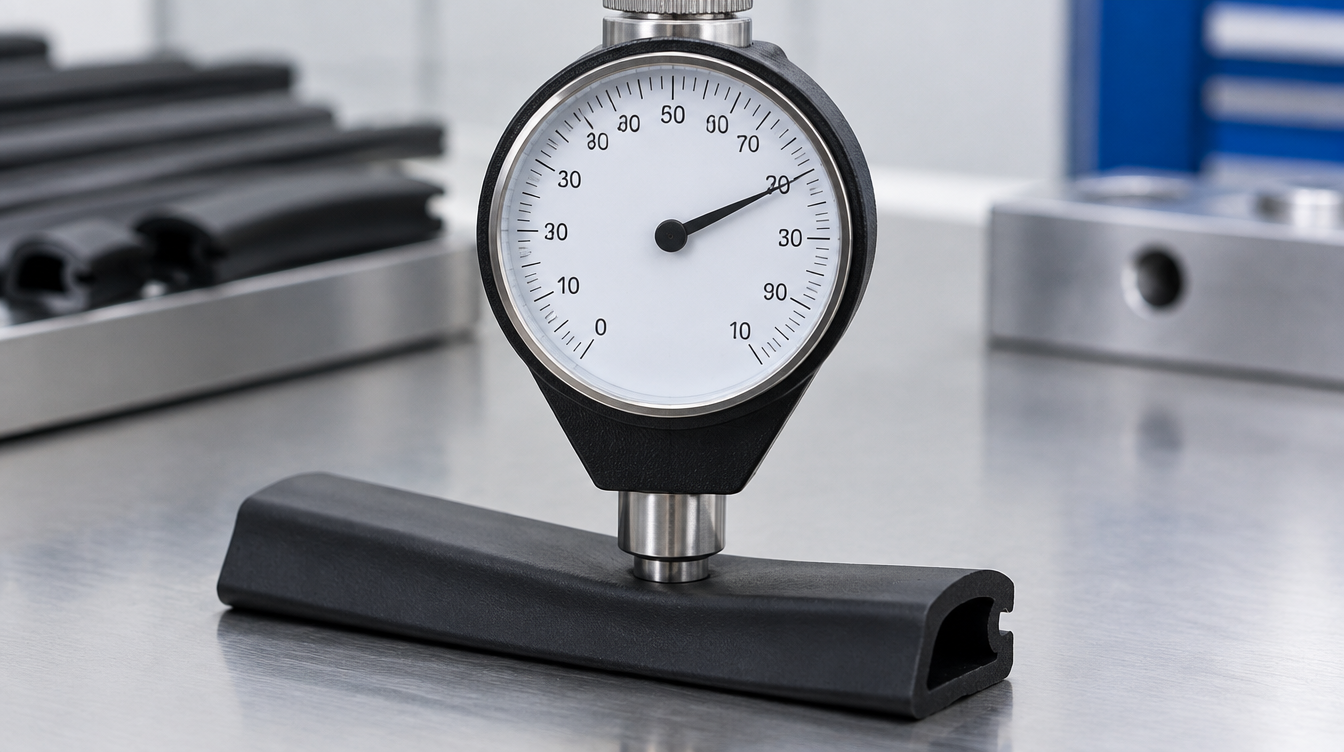
Estimate the number of inflate-deflate cycles the seal will see and design the construction to suit — reinforced for high-cycle, non-reinforced where cycles are few. Then validate: every seal should undergo 100% pressure leak testing, and demanding applications warrant cycle-life and burst-pressure verification against the actual duty profile. Designing for validation from the start, rather than hoping a catalogue part will do, is what separates a seal that lasts from one that fails in commissioning.
Worked example: a semiconductor process chamber door
Consider a door seal on a semiconductor process chamber. The requirements stack up quickly: high purity rules the material toward silicone; the door opens and closes thousands of times, demanding a reinforced construction and a captive dovetail profile; the seal must engage only when the door is closed so the mechanism moves freely; and the process cannot start until the seal is confirmed sealed, which calls for pressure monitoring. Working through the design in order — expansion direction, profile, pressure and medium, gland, material and reinforcement, then validation — turns a demanding brief into a specified part, and shows why the sequence of decisions matters as much as any single choice.
Common design pitfalls
Get these decisions right and an inflatable seal will outperform any static alternative in gap-bridging, cycle life and forgiveness of imperfect faces. Get them wrong and the same flexibility becomes a liability. When an application is critical or unusual, a design review with the seal manufacturer before the gland is machined is the cheapest insurance available — a die is easy to adjust, a machined chamber flange is not.
Key takeaways
Send us your gland drawing, pressure target and cycle requirement, and our engineers will review the design and recommend the optimal profile, material and reinforcement before you commit to tooling.
Kevlar® and Nomex® are registered trademarks of Arclin. All trademarks are the property of their respective owners and are used here for identification purposes only.
Need a custom sealing solution?
Talk to our engineers about inflatable seals, rubber diaphragms and custom extrusions built to your exact spec. We respond within one business day.
Frequently asked questions
How much gap can an inflatable seal bridge?
Expansion of up to 100% of profile height is achievable, though usable expansion depends on the profile, the gland restraint and whether the seal is reinforced. Size the profile so your working gap sits comfortably inside that capability rather than at its limit.
Should the gland be designed before or after the seal is specified?
Together. The gland restrains the non-sealing faces and determines where inflation goes, so designing it in isolation is the most common cause of an underperforming inflatable seal. Send us the gland drawing at the concept stage, not after machining.
What inflation medium should I use?
Clean, filtered compressed air suits most applications. Nitrogen, water and hydraulic fluid are all used where the process demands it, but the medium affects both material selection and fitting design, so it should be settled early.

Need a quote?
For custom rubber sealing solutions contact us. We will respond to you within 1 business day


.avif)