.png)


Posted on
August 14, 2026
Silicone Extrusion Guide: Medical-Grade & Custom Applications
A guide to silicone extrusion: platinum-cured vs peroxide, medical and food grades, tubing and profiles, tolerances and compliance for critical applications.
Silicone extrusion sits at the demanding end of the rubber world. The same properties that make silicone indispensable — its wide temperature range, purity and biocompatibility — also make it exacting to extrude and to certify. This guide covers what makes silicone extrusion different, the grades that matter for medical and food applications, and how to specify a silicone profile or tube you can trust in a critical setting.
Why silicone is specified
Silicone (VMQ) offers a combination of properties few elastomers match: an exceptionally wide service temperature range of roughly −60°C to +200°C in continuous use, excellent resistance to ozone, UV and ageing, physiological inertness, and the ability to be produced in high-purity grades for contact applications. It stays flexible in the cold and stable in the heat, does not readily support microbial growth, and can be pigmented to almost any colour or left translucent. Those attributes make it the default material for cleanroom, food, beverage, pharmaceutical and semiconductor applications — anywhere purity and temperature stability outrank raw mechanical toughness.
Where silicone is the wrong answer
It is worth being clear about the limits, because specifying silicone into the wrong duty is an expensive mistake that a datasheet alone will not prevent. Silicone is attacked by concentrated acids and alkalis, by aromatic and chlorinated solvents, and by hot water and superheated steam, which hydrolyse the siloxane backbone and cause reversion. It has markedly higher gas permeability than most elastomers, which rules it out for vacuum service and gas containment where butyl or FKM are the usual alternatives. And it is softer and less abrasion-resistant than EPDM at ambient temperature, so in a high-cycle mechanical duty at moderate temperature, EPDM often outlasts it. Silicone earns its place on purity and temperature — not on toughness.
Platinum-cured vs peroxide-cured silicone
A defining choice in silicone extrusion is the cure system. Peroxide-cured silicone is economical and well suited to general industrial extrusions, but it leaves trace cure by-products that can migrate to the surface as a fine bloom and carry a characteristic odour, so it is normally post-cured to drive off volatiles. Platinum-cured silicone uses an addition-cure system that leaves no by-products, offers superior clarity, low extractables and excellent biocompatibility — which is why platinum-cured grades are specified for medical, pharmaceutical and food-contact tubing and profiles.
The trade-offs run both ways, and it is worth knowing them before defaulting to platinum on everything. Peroxide-cured silicone, properly post-cured, can deliver better long-term compression set at elevated temperature — which matters for a static seal expected to hold contact force for years. Platinum cure, meanwhile, is susceptible to catalyst inhibition by sulphur, amines, tin and certain plasticisers, which constrains what it can be processed alongside and is one reason platinum work benefits from segregated handling. When purity and extractables are paramount, platinum cure is the specification; when the duty is a hot static seal and cost matters, peroxide cure post-cured properly is often the better engineering answer.
Medical and food grades
For regulated contact applications, the grade certification is as important as the material itself — and the certification landscape is changing in 2026, so it is worth being precise.
For food contact, the relevant reference in the United States is the applicable provision of 21 CFR — most commonly 21 CFR 177.2600, 'Rubber articles intended for repeated use', for seals and gaskets. Note that the FDA does not approve materials; a compound can only be described as compliant with the relevant provision, supported by formulation and extractives data.
For pharmaceutical and medical use, elastomers have traditionally been qualified to USP Class VI, the highest biological reactivity classification under USP General Chapter <88>, covering systemic toxicity, intracutaneous irritation and implantation response. That is changing: revisions to USP <87> and <88> effective 1 December 2026 delete the Classification of Plastics table altogether, removing the Class I–VI designations, and limit in vivo testing to systemic injection where in vitro cytotoxicity requirements are not met. Biocompatibility is increasingly assessed under ISO 10993 on a risk basis reflecting intended use, contact duration and patient exposure. We can supply legacy USP Class VI data where a customer specification still calls for it, and support ISO 10993 evaluation for new qualifications.
Whichever framework applies to your product, build the certification requirement into the specification from the beginning, because it drives both the raw material and the process controls needed to maintain purity through extrusion.
Maintaining purity through the process
Certifying a raw silicone grade is necessary but not sufficient — purity has to be maintained all the way through extrusion, curing and any secondary processing. That means controlled, clean production conditions, appropriate post-curing to drive off any residuals in peroxide-cured material, and careful handling to prevent contamination of medical and food-grade product. For the most demanding applications, cleanroom or controlled-environment processing protects the purity the application depends on. When you specify a certified silicone, confirm the manufacturer maintains that certification through their process, not just at the point of raw material.
Tubing, hoses and profiles
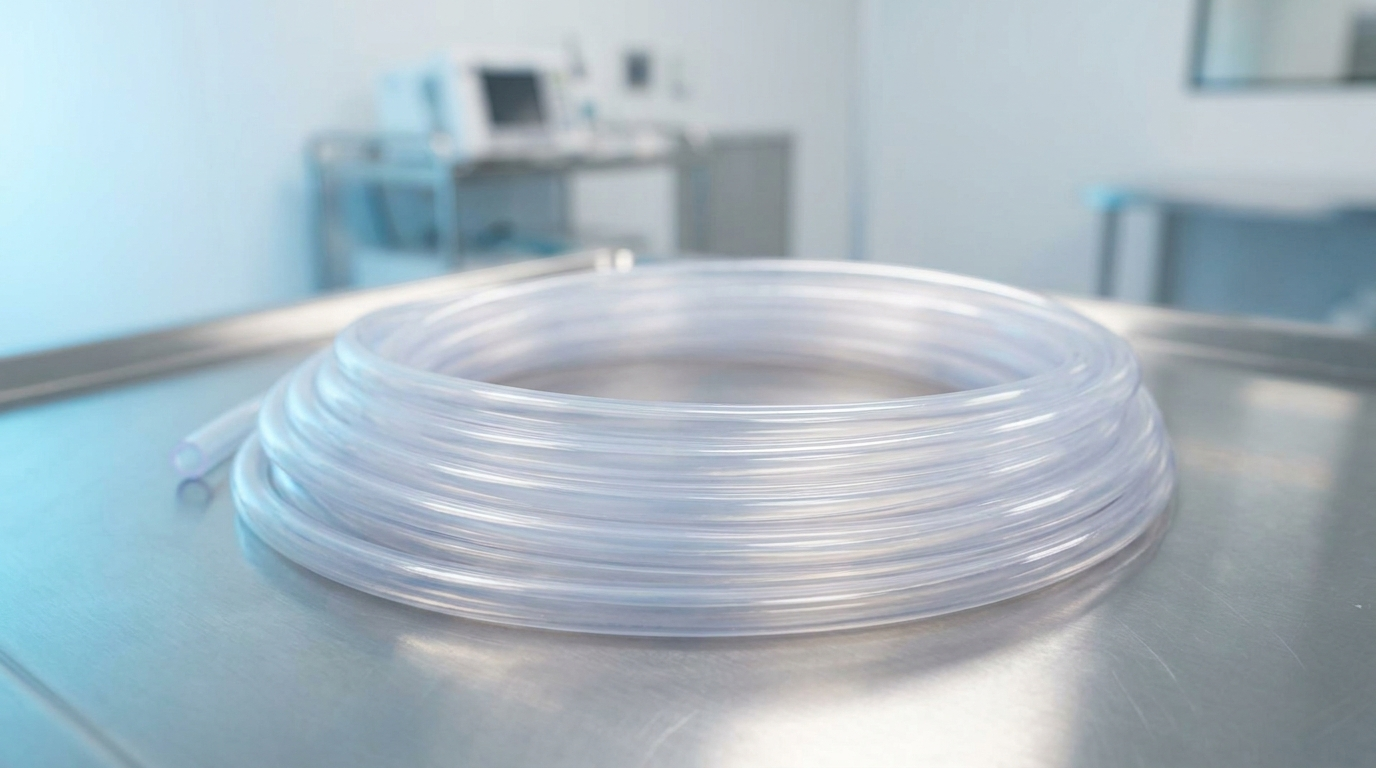
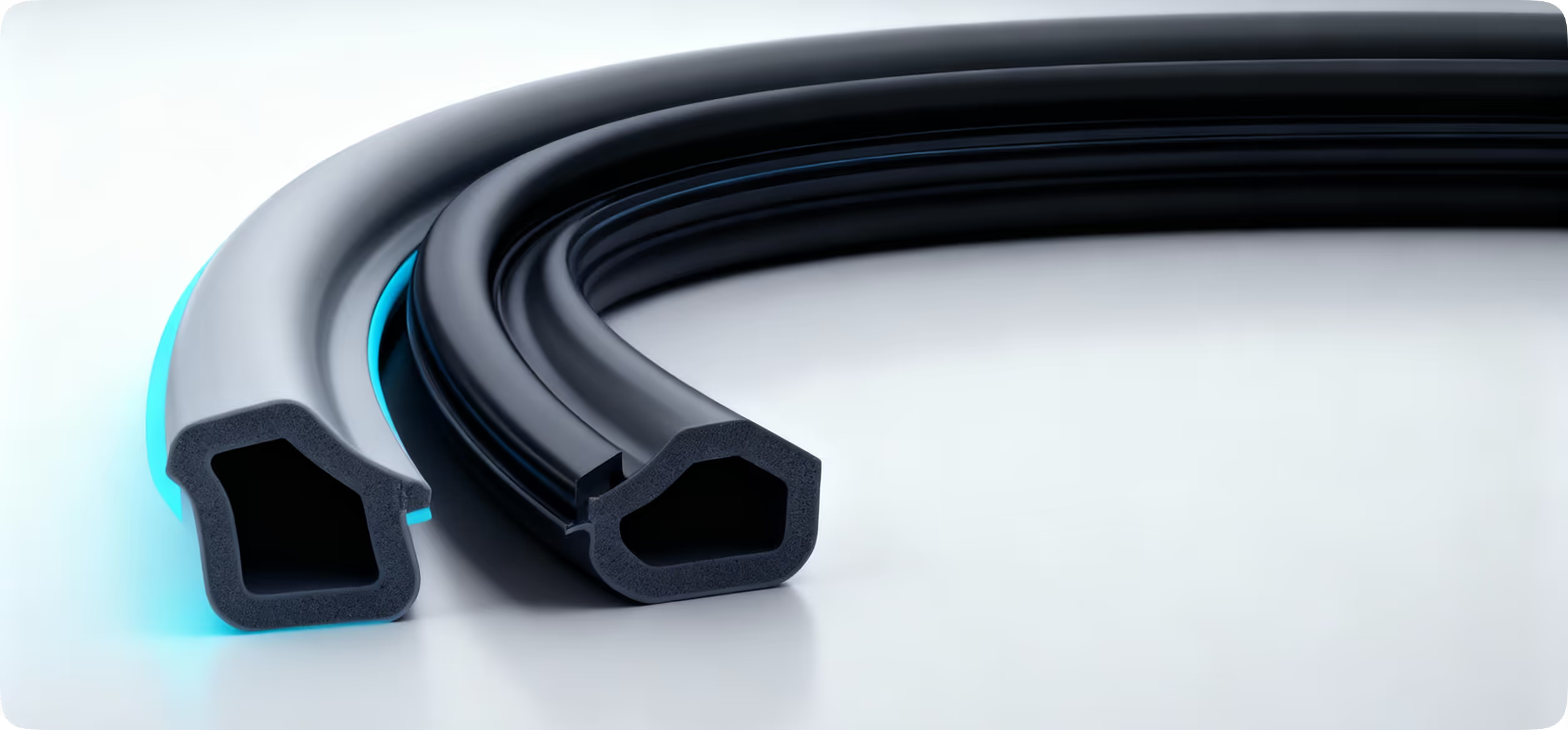
Silicone extrusion produces more than seals. Platinum-cured silicone tubing carries fluids in pharmaceutical, laboratory and food processing lines; braided or reinforced silicone hose handles pressure and vacuum; and silicone profiles seal ovens, autoclaves, cleanroom doors and lighting. The extrusion discipline is similar across these forms — controlled compounding, compensated die design, continuous cure and in-process measurement — but the purity and dimensional demands rise sharply for medical tubing, where bore consistency and cleanliness directly affect function.
Sizing tubing correctly
For silicone tubing, dimensional accuracy is a functional requirement, not a cosmetic one. Bore diameter governs flow rate and, in peristaltic pumping, the volume delivered per revolution; wall thickness governs pressure and vacuum capability and how the tube behaves under a pump's occlusion. Specify the bore and wall for the duty — including whether the tube must withstand repeated occlusion in a pump, which demands a compound and wall chosen for flex-fatigue life — and treat those as the critical, tightly-toleranced dimensions. A tube that measures loosely on bore or wall will meter inaccurately or fail early, however pure the material.
Tolerances and dimensional control
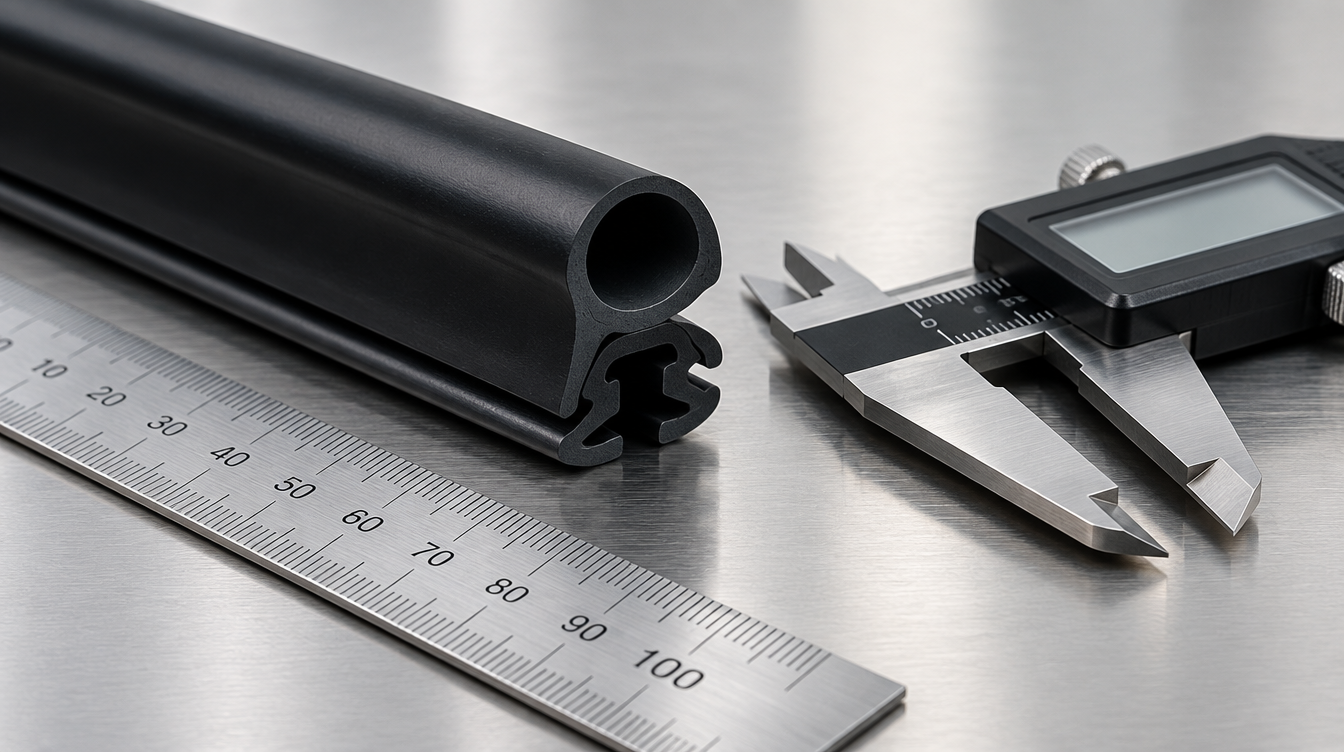
Silicone's low green strength — it is soft and slightly tacky before cure — makes it more challenging to extrude to tight tolerances than firmer compounds, so dimensional control depends heavily on process discipline: stable line speed and temperature, a well-compensated die that accounts for silicone's swell and shrink, and continuous measurement. For tubing, bore and wall consistency are critical because they govern flow and sealing; for profiles, the sealing features are the controlled dimensions. A capable silicone extruder will hold the dimensions that matter and be candid about the achievable band for complex sections.
Custom silicone applications
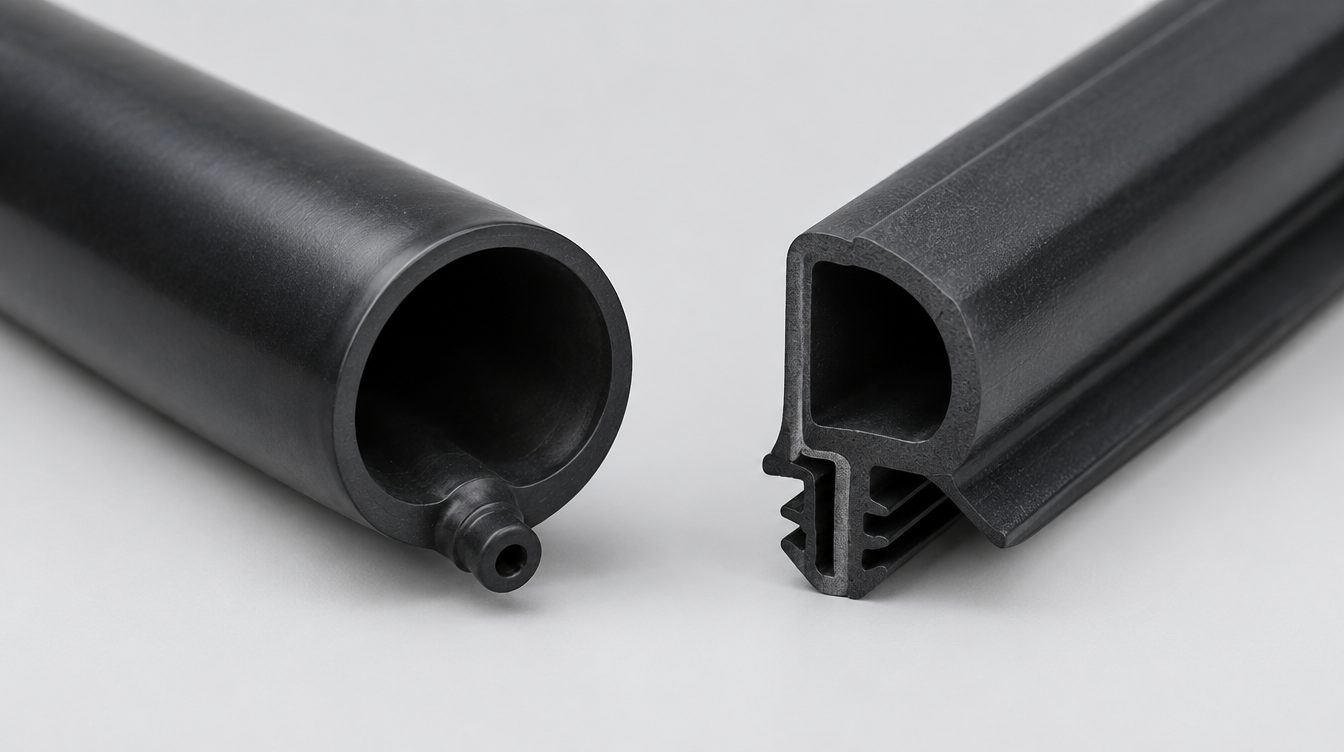
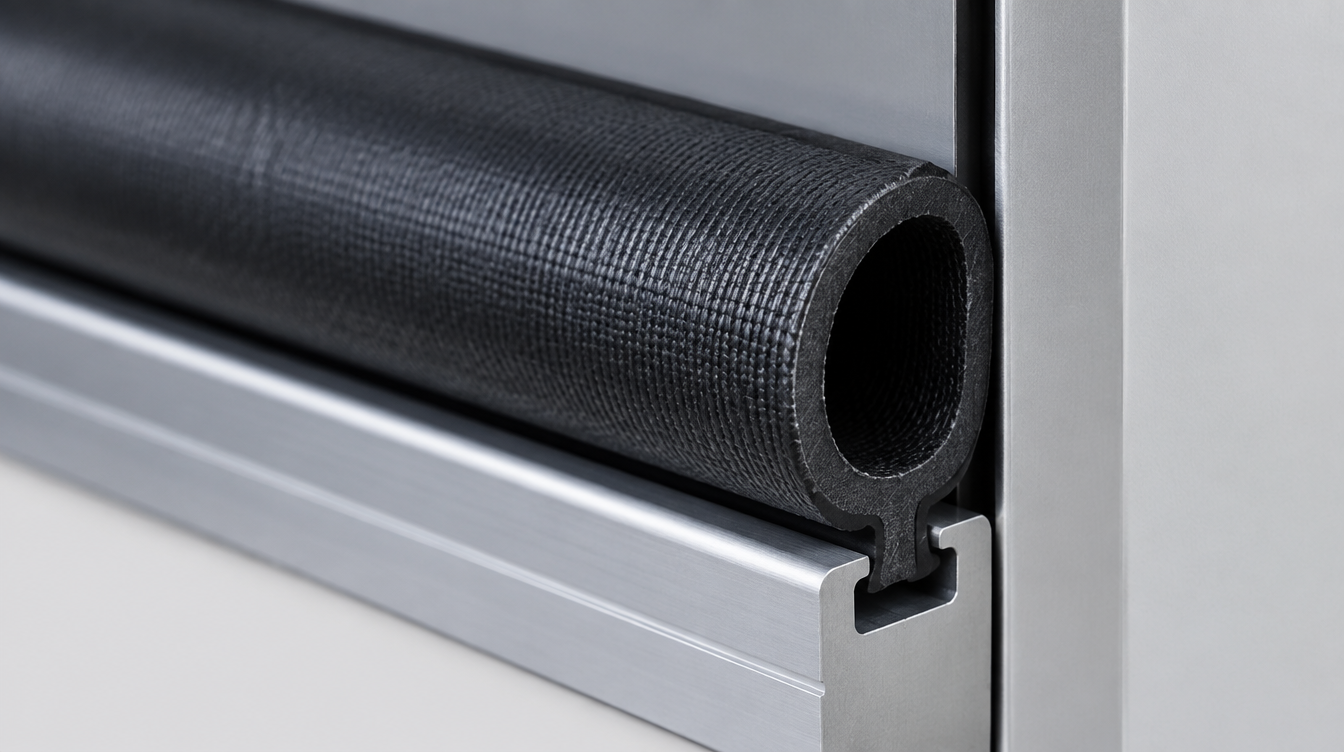
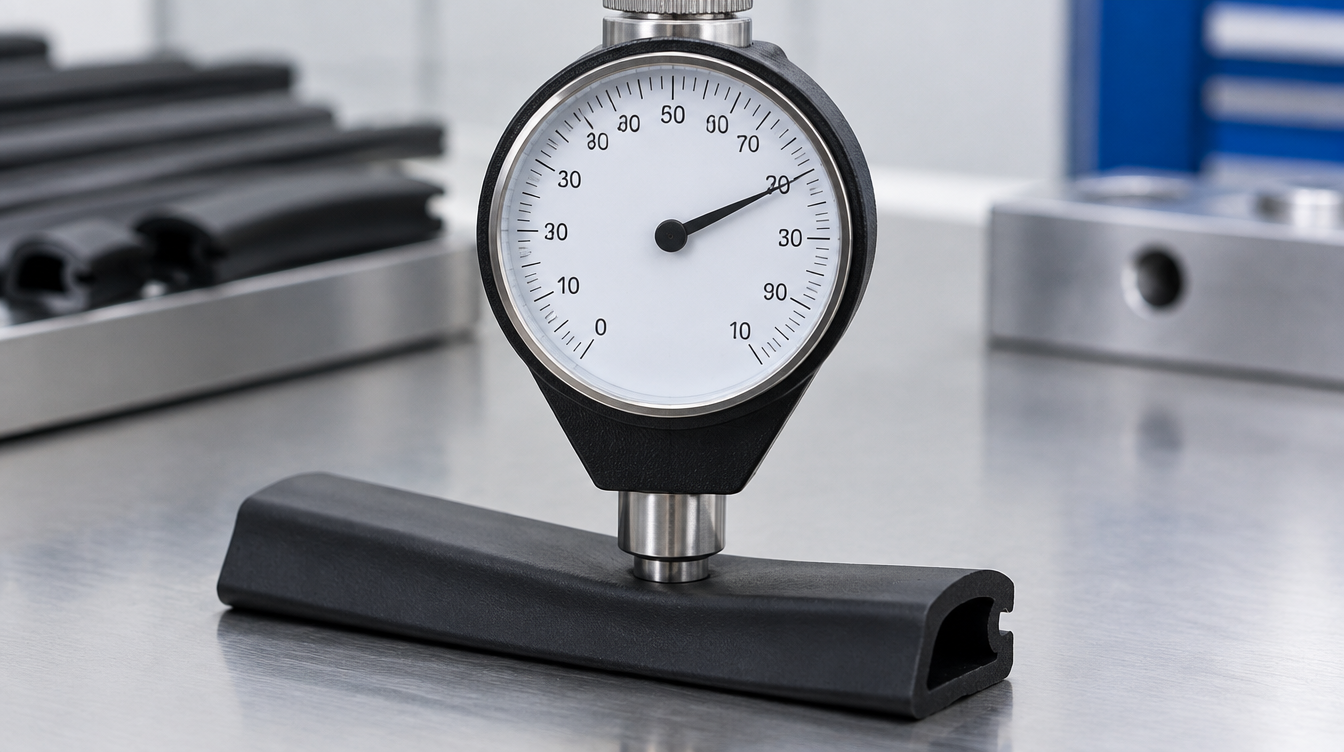
Beyond standard tubes and cords, silicone is extruded into custom profiles for specialised duty: high-temperature oven and autoclave seals, cleanroom door gaskets, LED and lighting profiles, and reinforced or fabric-backed sections for demanding sealing. Custom silicone work follows the same route as any precision extrusion — development from a drawing or sample, in-house die design, prototyping and validation — with the added rigour that purity and certification impose at every step. Hardness can be tuned across a wide range, and sponge silicone is available where soft, recoverable sealing is needed.
Specifying silicone extrusion well
Silicone extrusion rewards a manufacturer who respects its quirks — its softness, its cure chemistry and its purity demands. Specified carefully and produced with process discipline, an extruded silicone tube or profile delivers performance in medical, food and high-temperature settings that no ordinary elastomer can match.
Key takeaways
Working on a medical, food or high-temperature silicone application? Tell us your grade, cure and dimensional requirements and we will develop and validate a silicone extrusion built to certify.
Need a custom sealing solution?
Talk to our engineers about inflatable seals, rubber diaphragms and custom extrusions built to your exact spec. We respond within one business day.
Frequently asked questions
Is platinum-cured silicone always better than peroxide-cured?
No. Platinum cure is the right specification where extractables and biocompatibility govern. But peroxide-cured silicone, properly post-cured, can offer better long-term compression set at elevated temperature, which matters for hot static sealing. Choose against the governing property, not by reputation.
What is replacing USP Class VI?
Revisions to USP <87> and <88> effective 1 December 2026 remove the Class I–VI classification. Biocompatibility assessment is moving to ISO 10993, evaluated on a risk basis reflecting intended use, contact duration and exposure. Legacy Class VI data remains available where a customer specification still calls for it.
Can silicone handle steam sterilisation?
Saturated steam autoclaving is generally well tolerated. Superheated and high-pressure steam is a different matter — it hydrolyses the siloxane backbone and causes reversion. Specify against the actual sterilisation conditions, including cycle count, not just the peak temperature.

Need a quote?
For custom rubber sealing solutions contact us. We will respond to you within 1 business day


.avif)